
Catholic schools reimagine writing in Tasmania – with the support of Seven Steps


10 min

Success Story

Rebecca Hill
Share


Fewer than half of working-age Tasmanians have functional literacy. In 2022, Catholic Education Tasmania (CET) set out to change that for the next generation with its Literate Learners for Life initiative, backed by professional learning and coaching for teachers.
Seven Steps became a cornerstone of that work. Training was delivered to 140 Catholic educators in Launceston, Devonport and Hobart, reaching 38 schools and more than 17,000 students.
Four years on, schools report the same three shifts: teachers who feel more confident about how to teach writing, students who understand what makes writing engaging, and a consistent Seven Steps language across text types and year levels.
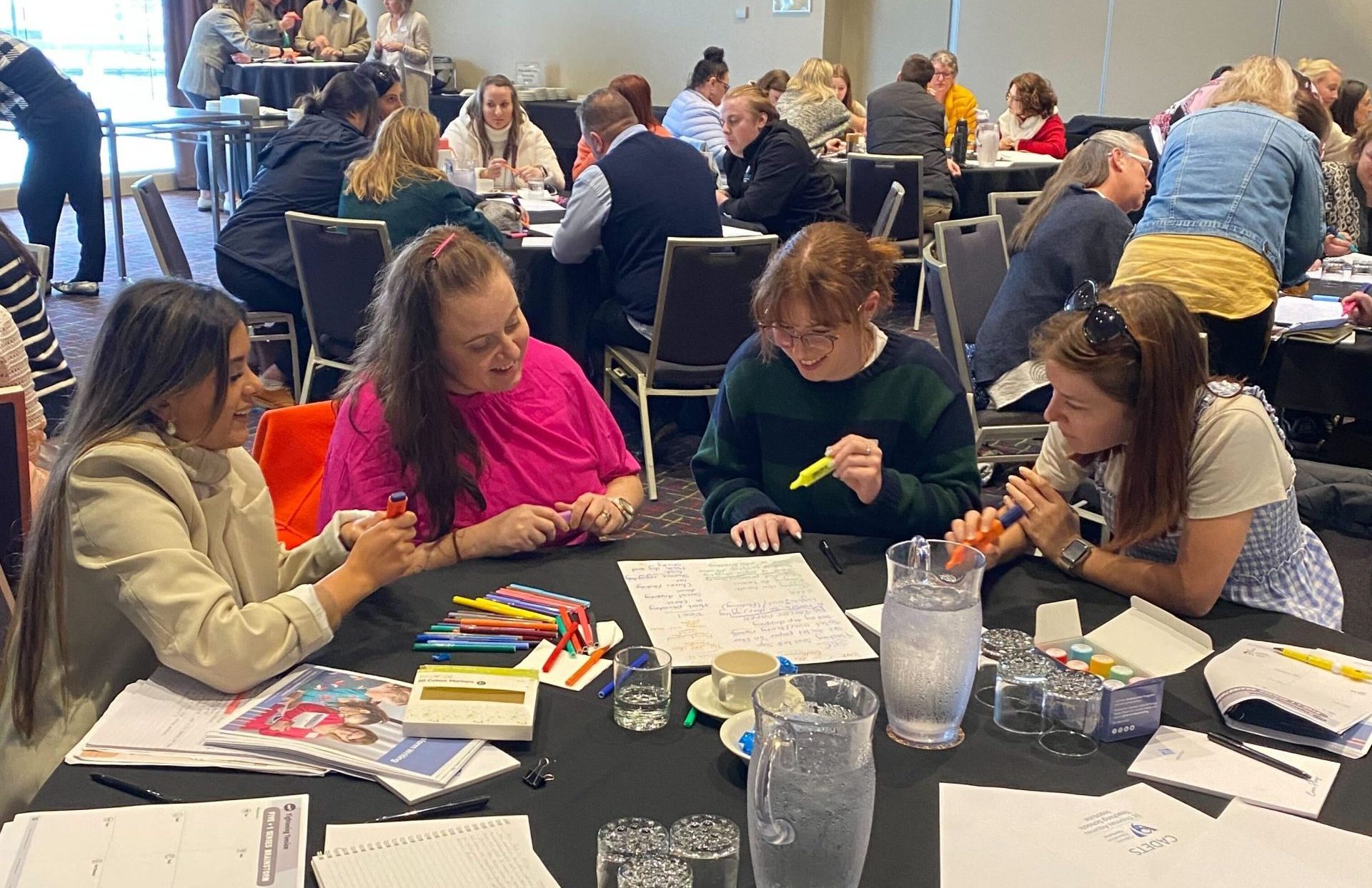
CET has appointed Literacy Leaders in each of its 38 schools to support teachers and ensure that the principles of the program are consistently applied and adapted to the specific needs of each school community.
“Having all students across CET trained in the same teaching style is fantastic. This unified approach fills gaps in their knowledge and helps them understand how to write effectively. Consistent learning with the same language throughout their schooling is essential.”
– Lisa Fenning, Literacy Project Lead Advisor at CET
– Lisa Fenning, Literacy Project Lead Advisor at CET
A shift in thinking
Tasmania’s literacy challenges prompted a fundamental rethink of CET’s educational strategies. “We knew we had to do something drastic,” Fenning explains. “We embraced the Science of Learning across all subjects, focusing on explicit and direct instruction.”
This scientific foundation supports a shift toward explicit instruction in both reading and writing, ensuring that all components are taught clearly and systematically.
While teaching the mechanics of writing – such as sentence structure, grammar and spelling – is crucial, CET also recognised the need to engage students’ creativity. This is where the Seven Steps program comes into play. Fenning shares:
“The Seven Steps approach quickly engages and sparks students’ creativity. It’s about giving students the structure they need while also freeing them to be imaginative.”
Seven Steps provides a structured yet flexible framework for writing instruction, breaking writing down into key elements such as hooking the reader, tight narrative structures and dynamic character development. This chunking approach helps reduce cognitive load, making it easier for students of all ages and abilities to learn and master the skills.
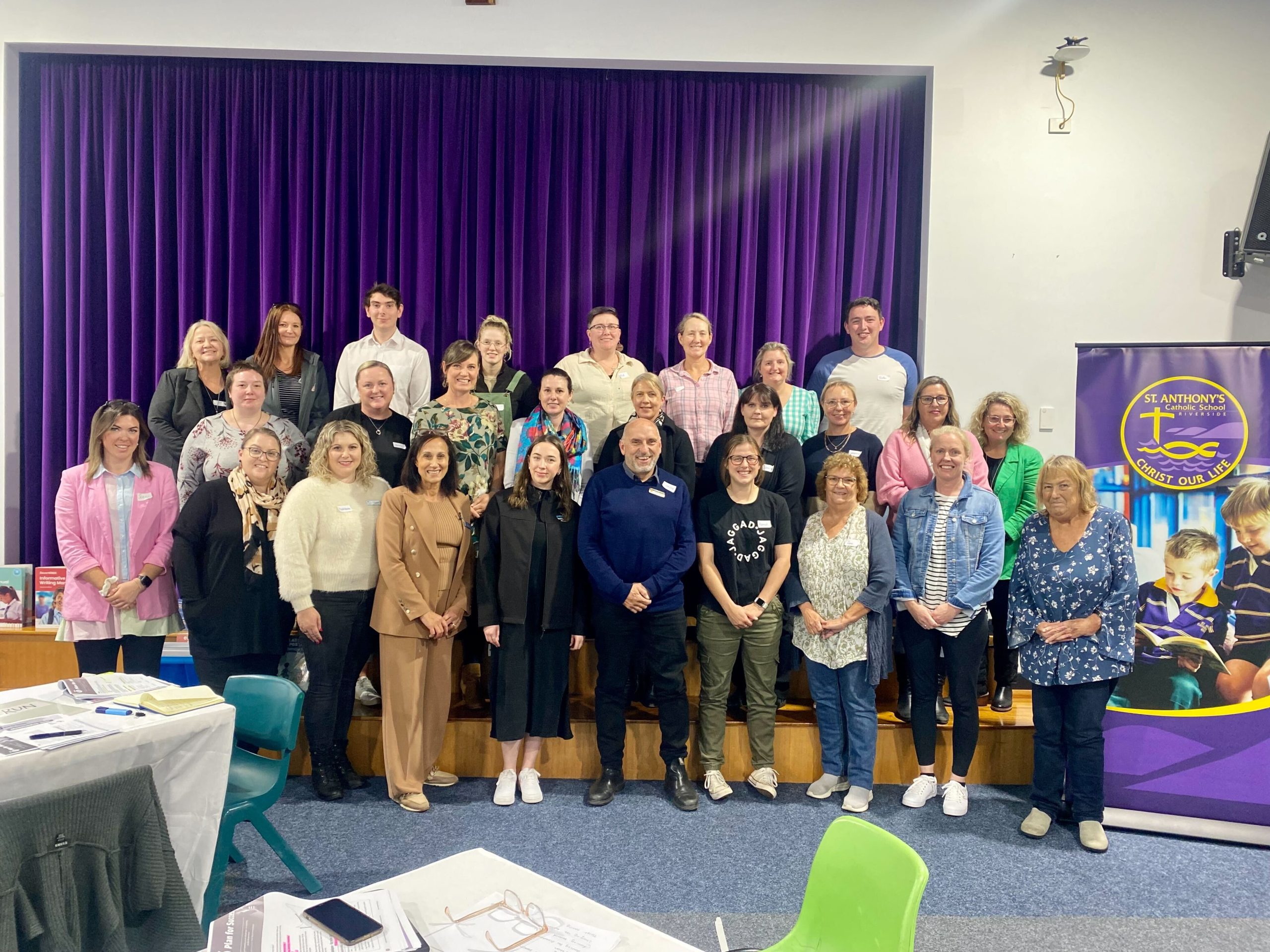
The beauty of a flexible approach
The program’s flexibility allows teachers to meet the diverse needs of their students. This adaptability is crucial in classrooms where students have varying levels of ability and different learning styles. By providing clear, structured methods for writing, Seven Steps enables all students to participate fully and feel confident in their abilities.
Mel Jago attended the Launceston PD and could immediately see the benefits of the Seven Steps program:
“In my classroom, 17 of my 27 kids are on learning plans. Seven Steps’ methods – chunking, differentiating, breaking it down, working together – tick all the boxes for NCCD kids and those needing support. It builds their capacity without singling them out.”
– Mel Jago, Teacher
– Mel Jago, Teacher
Prioritising creative thinking
As a former art teacher, Mel doesn’t need convincing about the importance of creativity in writing:
“Once students know the basics, they can expand and break the rules, making their work more interesting. A great takeaway I’ll be sharing with my kids was: ‘Writing isn’t about worrying about your spelling. I want you to worry about how your writing captivates me’.”
And it’s not just for narrative. Creative writing techniques can be used across all text types, which was a revelation for Mel:
“I was sitting there thinking, oh my gosh, the persuasive texts we’ve been writing all start the same way and they’re boring. We’re not giving them licence to be creative. They’re told, ‘Ok, this is the box I want you to fit in’ but they’ve got so much more’.”
Implementation made easy
Another attendee, Isabelle Grossmith, highlights the practical benefits she saw in the Seven Steps program:
“It’s wonderful to have so many hands-on examples of how we can roll out the program with our students. I can take it back to the classroom and differentiate it for my kids – so you can implement it straightaway and keep building on it.”
– Isabelle Grossmith, Teacher
– Isabelle Grossmith, Teacher
Isabelle has identified a lack of confidence among her students as a significant barrier to writing:
“A lot of my students say, ‘Oh, I don’t want to do writing. Writing’s boring’. They don’t necessarily have the confidence to write independently. They’re very hung up on not knowing how to spell a word or what to do next.”
She believes that Seven Steps can help alleviate these fears:
“Something that I took away from this session was all the different ways we can brainstorm and solve problems. My class is definitely mischievous, but they have really good ideas. They just need to build stamina.”
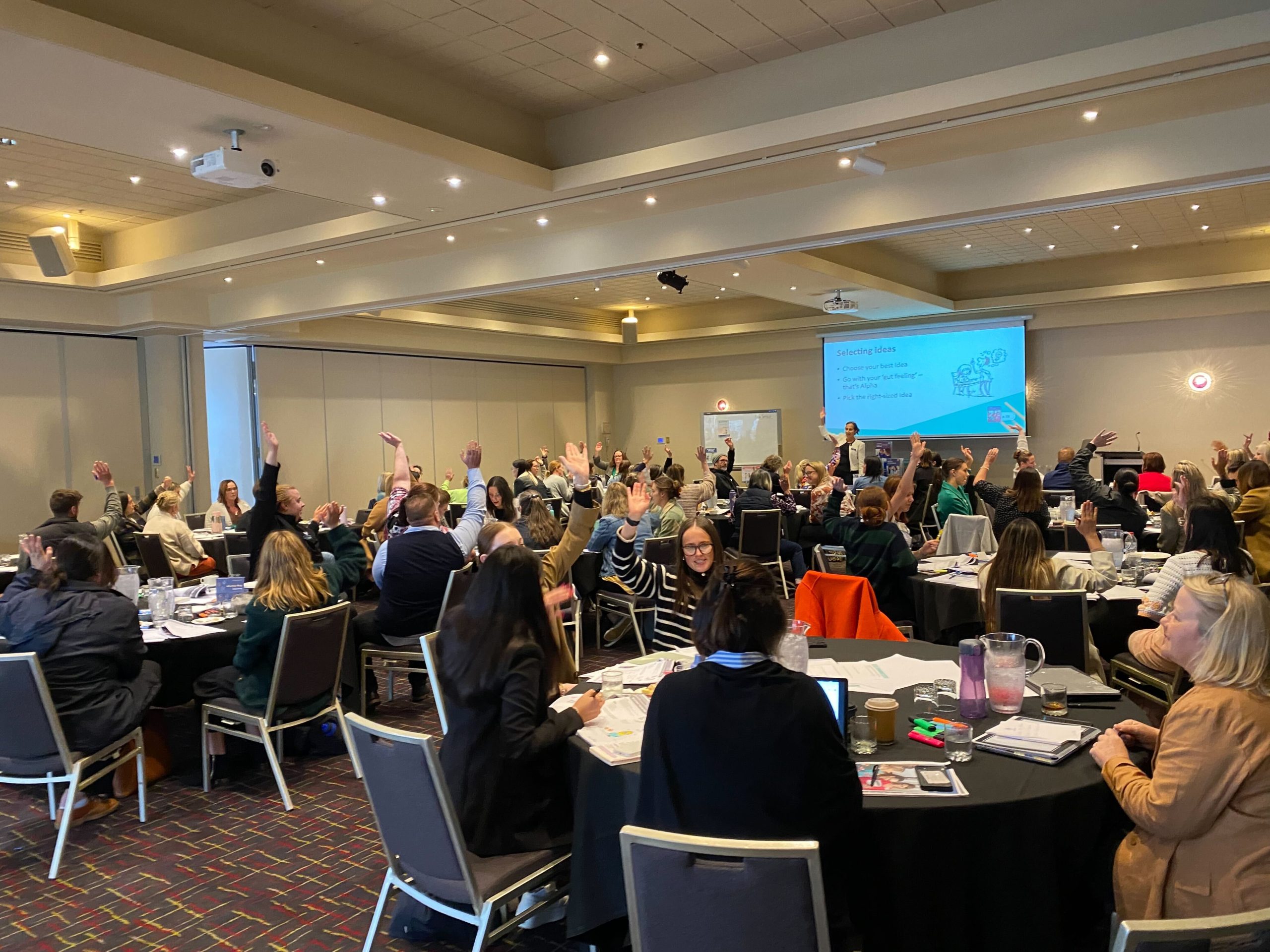
The power of collaboration
One of the key strengths of the Seven Steps is its emphasis on collaborative learning. Activities are designed to encourage students to work together, share ideas and learn from one another. This helps build a supportive classroom environment where all students feel valued and motivated to improve their writing skills.
Isabelle plans to implement this into her writing lessons.
“I think having a lot of verbal brainstorming sessions in small groups and as a whole class will be really beneficial. They’re going to enjoy sharing their ideas and understanding that writing isn’t just a solo thing – you can get ideas from each other to write more powerfully.”
She’s optimistic about the impact of Seven Steps on her students:
“I’m expecting students will come to the learning a lot more engaged and excited about writing. I’m hoping to mix it with cross-curricular content, so with our humanities or our science unit there’s engaging content. When it comes to writing, knowing that they have the confidence to quickly get some ideas down is crucial.”
From the classroom: what changed
At St Therese’s Catholic School, Head of Department Phillippa Love has seen writing improve across all grade levels.
“Delighted! Our results were better than I expected. The classes that are using it have demonstrated increasing understanding of the structure of writing genres and a wider level of vocabulary.”
– Phillippa Love, Head of Department, St Therese’s Catholic School
At St James Catholic College, Literacy Leader Emma McAfee points to the change in how students plan and how they start.
“The Seven Steps helps them to order their thinking and the visual layouts have given them clearer planning strategies in the early stages of their writing. Overall, student ideas have become more imaginative as they start ‘in the action’ and their writing more vibrant with ‘ban the boring’.”
Asked what she is most proud of, Emma’s answer is student imagination.
“By giving lots of opportunity to practice, build and share ideas collaboratively but also independently, students’ writing has become more complex and interesting.”
– Emma McAfee, Literacy Leader, St James Catholic College
– Emma McAfee, Literacy Leader, St James Catholic College
On the path to success
Two years on, the shift is showing up in classrooms. Teachers who once felt unsure about teaching writing have a clear method, and students who used to find writing boring are producing work that is more imaginative and more structured.
Through a combination of scientific insights, structured teaching methods and a focus on creativity, CET is addressing the literacy challenges that have long plagued the state. With the support of dedicated teachers and Literacy Leaders, students across Tasmania are developing the skills they need to become confident, capable writers.
As CET continues to build on these successes, the future looks bright for literacy education in Tasmania.
Share this story
Download this snapshot of Catholic Education Tasmania’s story of state-wide professional development and writing improvement.

Interested in transforming writing in your school, or across a network of schools?
We offer training and resource packages of all sizes. Give us a call on 03 9521 8439 or send us an email. Or visit our School workshops page to learn more.


Related resources

Real Student Results
69% of students improved by more than one NAPLAN band
in just 10 weeks!
For Schools
Looking for a whole-school solution?
Find all of the information you need to start rolling out the Seven Steps at your school.